
As 2025 draws to a close, CiTTi Magazine looks back at the pivotal moments, policies and innovations that reshaped urban mobility in a year of rapid change
In 2025, urban mobility often felt like one of those years when decades happen in weeks. Long-established international frameworks were reshaped almost overnight, while long-trailed regulation and legislative change finally landed, ushering in new realities for operators, suppliers, end-users and the public–private partnerships that connect them. CiTTi Magazine has followed this evolution throughout the year, reporting and analysing the biggest developments across our print and digital channels.
With the December 2025 issue providing a natural bookend, the editorial team has curated a selection of the most impactful stories – the breakthroughs, setbacks and inflection points that have defined the past 12 months in urban transport. Read on for CiTTi Magazine’s year in review of how our urban environments, and the systems that move people, goods and materials through them, have changed in 2025.
January
The year got off to a fast start, with major shifts in public transport policy across the UK. Bus passengers faced a rise in the national fare cap from £2 to £3, a move the government defended as essential to maintaining services, but which critics warned could hit low-income travellers hardest. Nationally, active travel schemes were put under pressure as an evaluation of the UK’s funding programmes revealed that short-term cycles and limited resources continued to hamper walking and cycling infrastructure.

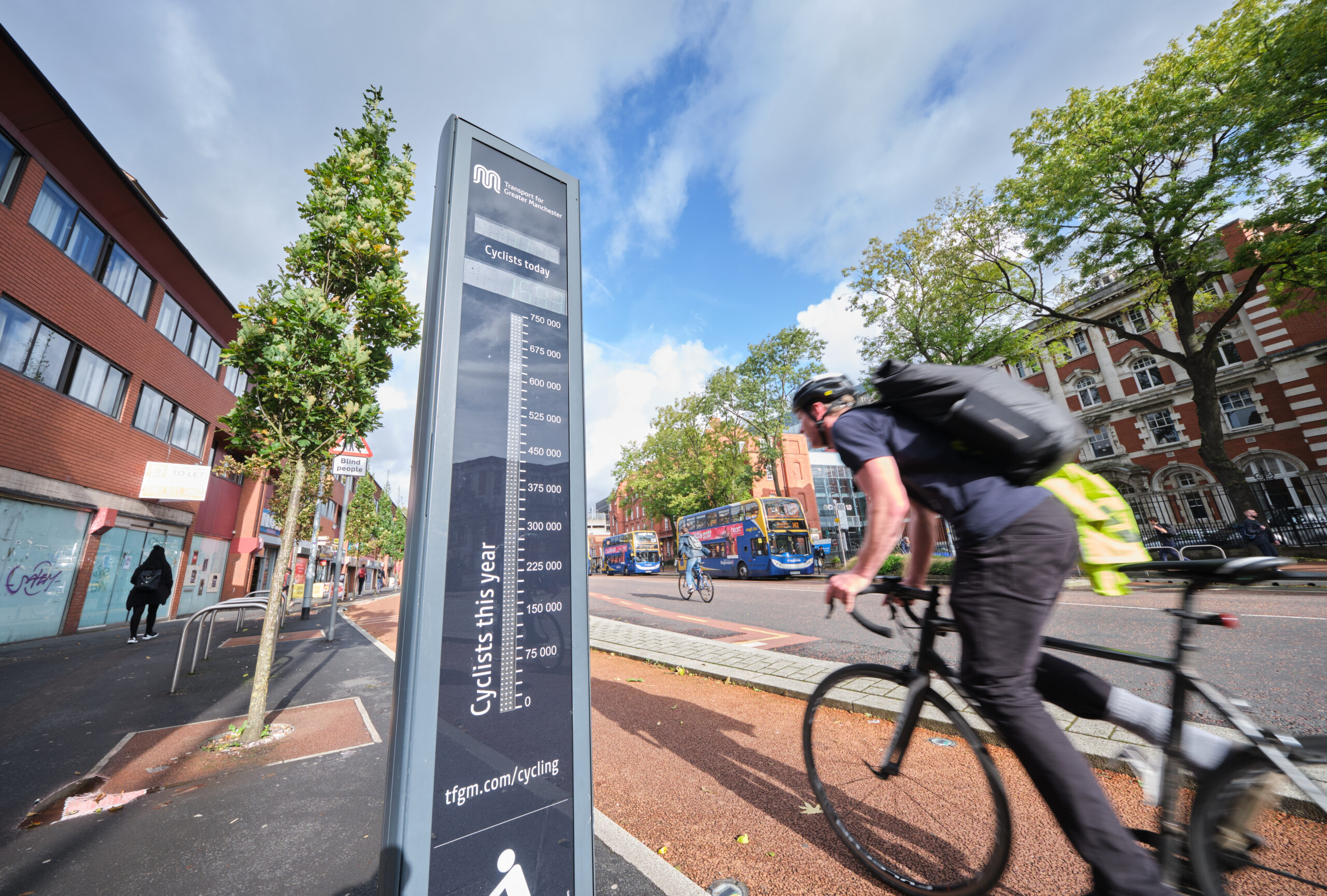
Greater Manchester successfully transitioned its buses to its locally controlled Bee Network buses, introducing simpler, cheaper fares and enhanced services. With expanded ticketing options and plans to integrate rail by 2028, the region presented a bold vision of a more connected, affordable transport future. Across the pond, New York City’s MTA launched the USA’s first congestion charge, cutting traffic in Manhattan by an estimated 7.5% within days.
February
The UK doubled down on its active travel commitments, with government funding assigning £168.5m in Consolidated Active Travel Fund allocations for 2025–26. The new pot split funding support between infrastructure delivery and the planning, engagement and training needed to make schemes work. City-regions such as the West Midlands, Greater Manchester and West Yorkshire secured the largest shares, with smaller authorities receiving smaller funding tranches. Separate data analysis supported the economic and health value of active travel, highlighting strong public appetite for walking and cycling despite persistent affordability barriers.
Elsewhere, Bath announced the end of clean air zone exemptions for emergency vehicles, with authorities assuring that the changes would only affect older fleet models despite raising cost concerns for local services. With cheaper, older vehicles increasingly phased out, IAM RoadSmart linked a dramatic increase in uninsured underage riders to the surge in e-mobility popularity and growing financial pressures on young people.
March
In London, Transport for London (TfL) confirmed a 4.6% fare rise – data analysis from The Telegraph crowned it as the world’s most expensive public transport network. At £2.80–£2.90 and £8.90–£16.30 per day, TfL responded stating that other international cities have a much larger proportion of their costs covered by government subsidies.
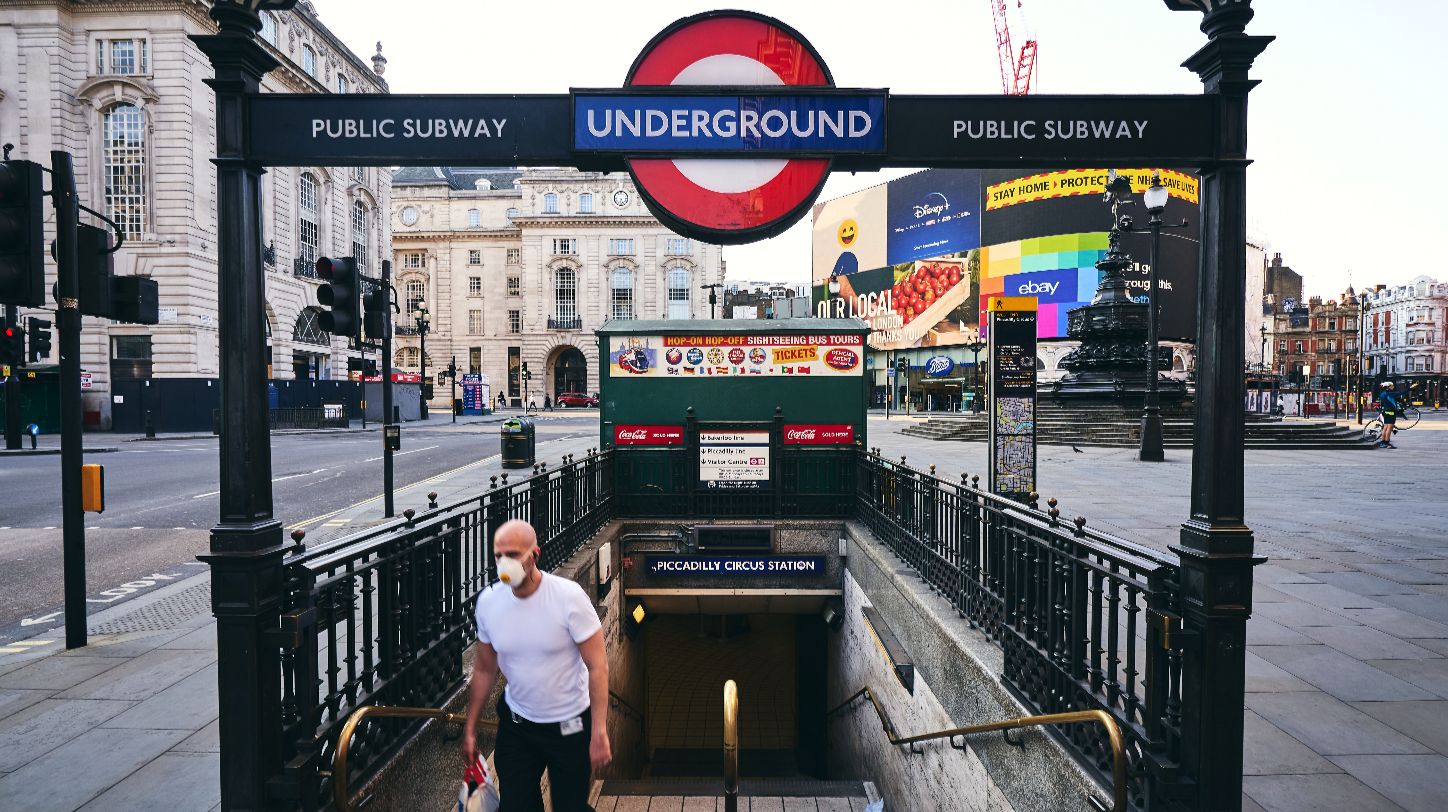
Bus and tram fares would remain frozen until 2026, however, with concessions remaining intact, rising daily caps reignited debates around subsidy levels and affordability. Safety concerns also led TfL to ban all non-foldable e-bikes from most of its network from 31 March, following fire-risk assessments with the London Fire Brigade.
Elsewhere, the UK government approved a £290m upgrade to the M3 Junction 9, while Greater Manchester achieved its 50 millionth contactless Metrolink journey and expanded tap-and-go technology to Bee Network buses, bringing the region closer to a fully integrated system.
April
US tariff troubles rocked the world, with a flat 10% tariff on UK imports prompting the UK government to issue a list of potential retaliatory measures. Many targeted critical transport technologies, from EV converters and hydrogen components to rail equipment and battery systems.
Industry bodies warned that any disruption could jeopardise net zero timelines and the UK’s 2035 phase-out of petrol and diesel vehicles. Meanwhile, parcel giant InPost also made inroads into the British economy, acquiring Yodel and instantly boosting its delivery capacity and strengthening its nationwide locker network.

In London, TfL opened the long-awaited £2bn Silvertown Tunnel, promising reduced congestion and expanded bus services but drawing criticism over air-quality impacts. With discounts for low-income residents and a new cycle-shuttle service, the scheme aims to balance mobility improvements with environmental concerns in a month shaped by both global trade friction and local transport transformation.
May
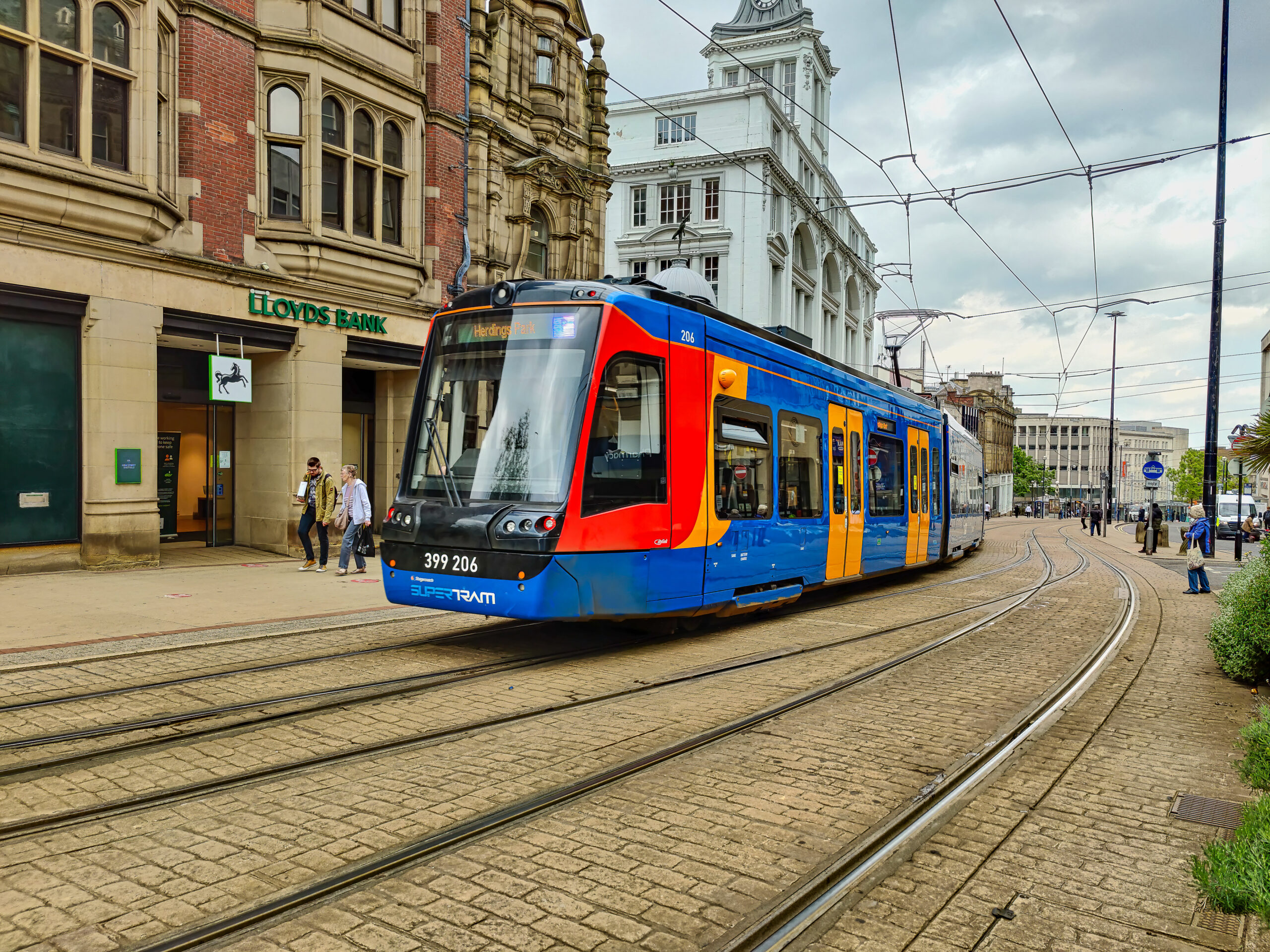
The Supertram in South Yorkshire celebrated 10 million journeys since returning to public control, backed by £15.3m of renewed investment that has lifted reliability to 97%. Plans for a new Magna Tram Train stop, a replacement fleet by 2032, and a £100m upgrade programme signalled a long-term commitment to modernising the network. A dogs-on-trams trial also began after attracting more than 10,000 responses.
In the West Midlands, newly elected mayor Richard Parker approved the region’s first move to bus franchising in nearly 40 years. From 2027, Transport for West Midlands will set fares, timetables and routes, aiming for a more accountable, low-emission network that currently carries 236 million passengers a year. Nationally, the British Parking Association was appointed to deliver the National Parking Platform, intended to simplify digital parking payments through a single interoperable system. The system has already been trialled in 10 local authorities and is currently handling more than 500,000 transactions per month.
June
Debate reignited over England’s transport divide as IPPR and IPPR North revealed that the North missed out on £140bn of investment between 2009/10 and 2022/23, which is equivalent to all its capital transport spending since 1999. Their analysis showed London received £1,183 per person each year, compared with £486 in the North and just £355 in the East Midlands.
Former Treasury minister Lord Jim O’Neill urged the government to back major infrastructure with long-term, transparent delivery. The month also brought major movement on future mobility, with the UK government accelerating self-driving pilots to spring 2026. Trials will test autonomous taxi- and bus-style services without safety drivers, supported by the new Automated Vehicles Act requiring safety at least equal to a competent human driver. The UK DfT said the technology could generate 38,000 jobs and add £42bn to the economy by 2035, positioning the UK as a global leader in autonomous transport.
July
A dozen combined authority mayors, backed by UK government, pledged to create a national active travel network launching in autumn 2025. The first 3,500 miles of routes would prioritise areas with poor health and air quality, alongside safer school routes in 1,000 schools and better links to buses, trams and trains.
This was helped by the introduction of the English Devolution and Community Empowerment Bill, granting mayors greater powers over transport integration and paving the way for expanded public ownership of rail and bus services.
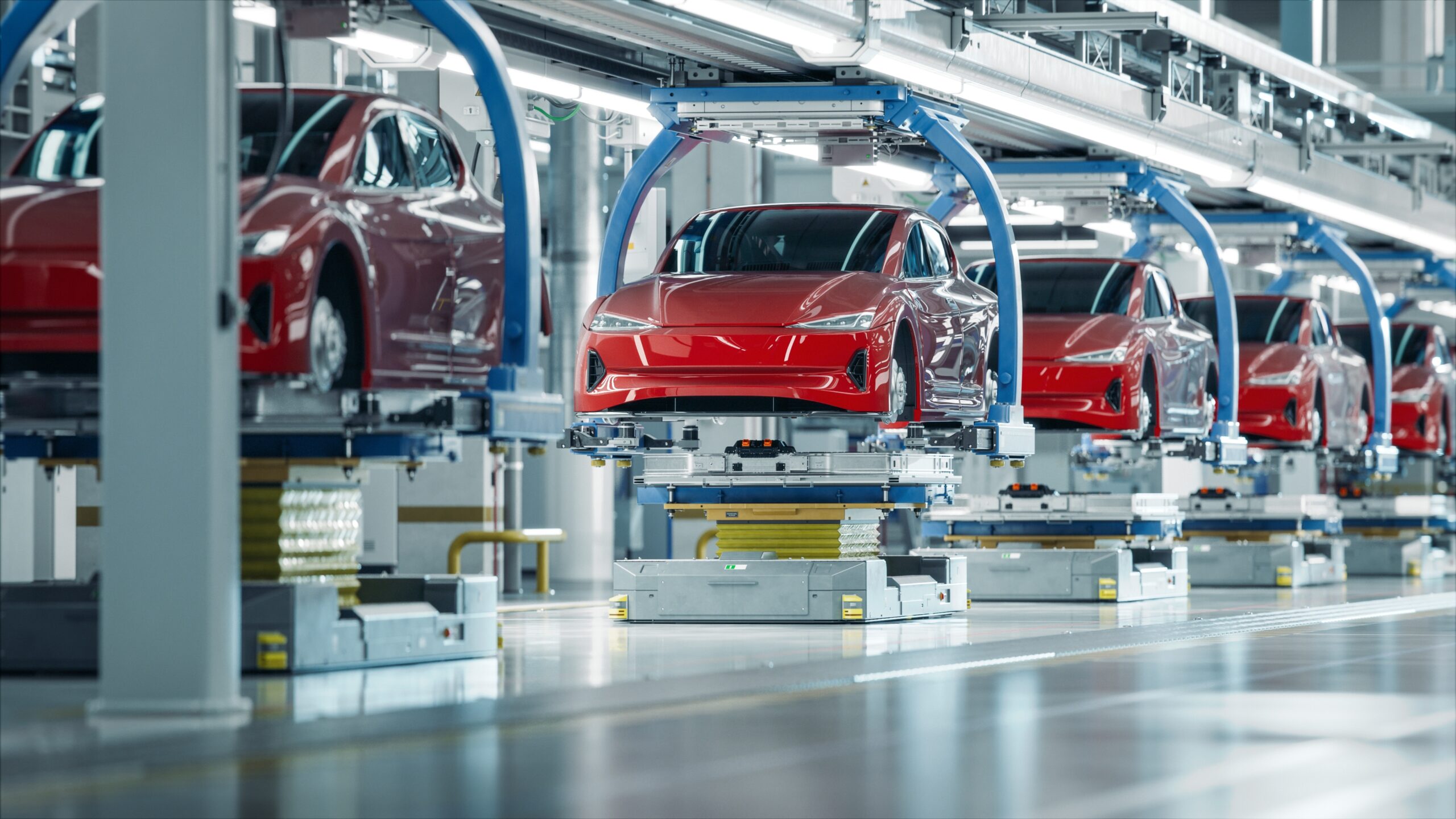
Local leaders welcomed the move as a chance to rebuild place-based service delivery. Meanwhile, a £650m Electric Car Grant was announced, offering up to £3,750 for EVs under £37,000, as early sales begin mid-July. SMMT figures showed EVs hitting a record 41.5% of UK production despite an overall manufacturing decline driven by global economic pressures.
August
Countries around the world committed to faster, more efficient systems integrated into transport. In Gothenburg, Västtrafik launched its first autonomous bus line, Gårda autonom (169), running between Polhemsplatsen and Liseberg with a safety driver. The three-year trial, running to 2027, would test real-world performance and explore how self-driving buses could ease driver shortages and expand services.
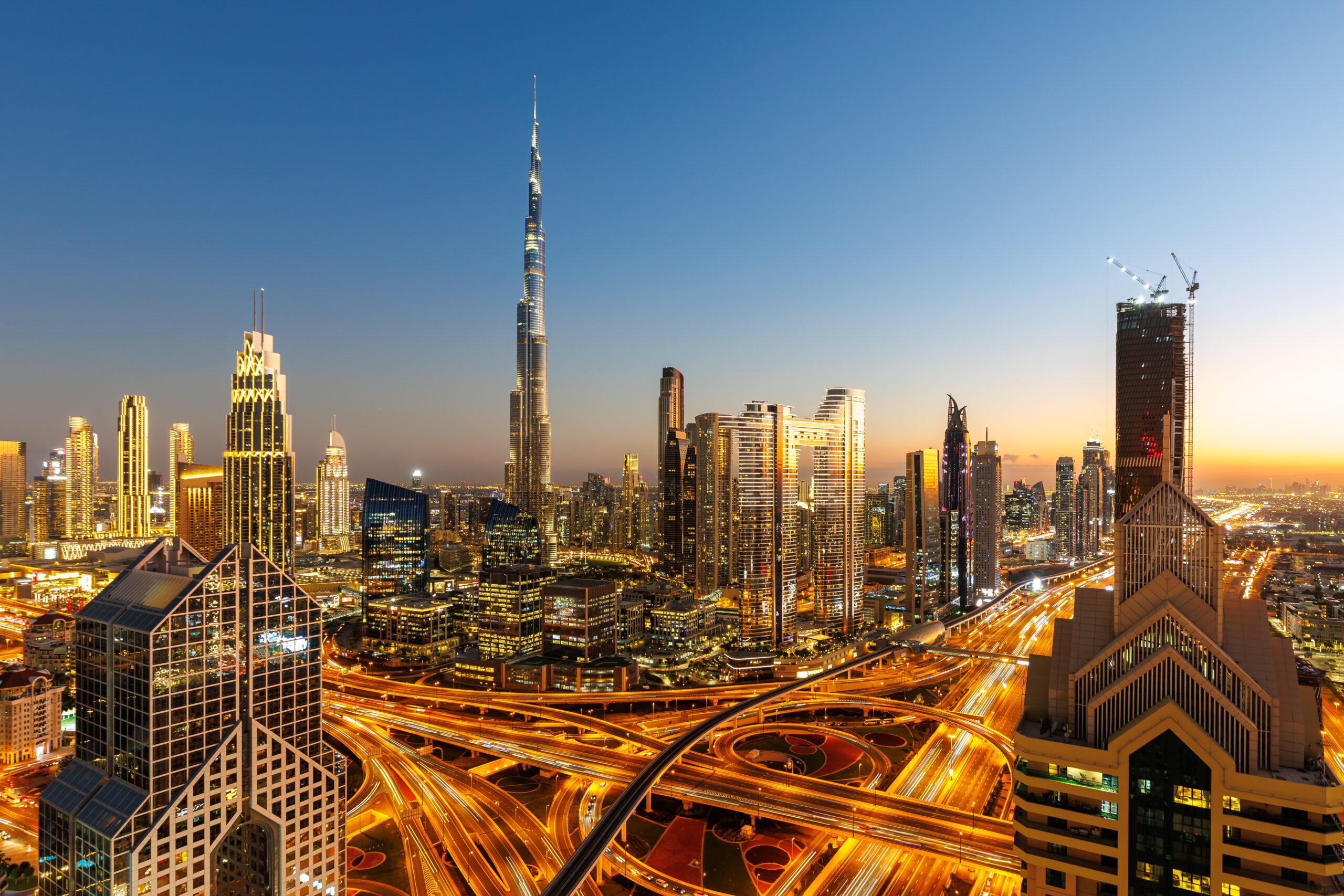
Dubai advanced its smart city ambitions by adopting digital twin technology through enabling real-time simulation to cut congestion, support connected vehicles and prepare for autonomous transport. A UK Transport Committee report called for five-year bus funding settlements, rural-weighted investment, a national minimum service and a free travel pilot for under-22s. MPs warned that years of cuts had left many communities as “transport deserts”, and urged clearer fare objectives, stronger demand-responsive transport frameworks and ringfenced funding for socially necessary routes. Industry groups broadly welcomed the recommendations, but said the bus network had been systematically underfunded.
September
EV charging capacity surpassed 82,000 publicly available devices in the UK, a 27% increase over the previous year. At the milestone’s announcement, high-powered chargers accounted for nearly 17,000 devices, with destination chargers making up 49% and on-street provision 37%. London leads overall provision, while Scotland tops for high-powered chargers. Rural charging grew fastest, increasing 45% year-on-year, reflecting accelerating support outside urban centres. Additionally, TfL intensified enforcement of Ultra Low Emission Zone penalty charge notices.
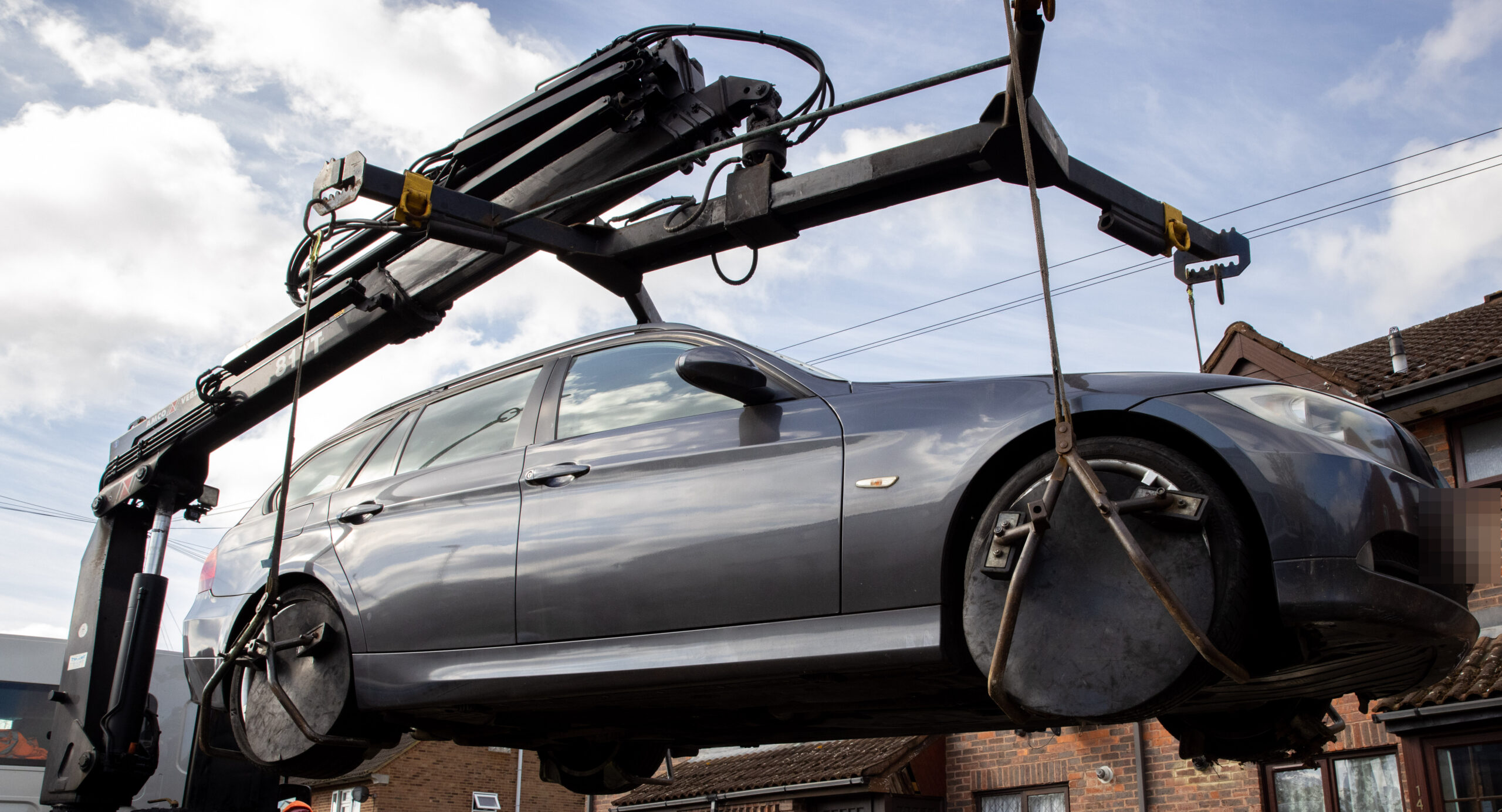
Compliance with emissions standards reached 97%, but persistent evaders – representing 94% of outstanding debt – have been targeted using intelligence-led approaches. Between January and June 2025, £16.5m in unpaid charges was recovered. TfL stressed engagement with staff for drivers facing financial hardship to avoid escalation.
October
The Office of Rail and Road (ORR) fined Great Western Railway (GWR) £1m following a fatal incident near Twerton on 1 December 2018, in which Bethan Roper died after leaning out of a droplight train window. The prosecution highlighted failures to act on prior safety recommendations. Since the incident, droplight windows have been either removed or modified industry-wide to prevent passengers from leaning out. ORR reiterated UK rail operators’ commitment to safety in the wake of the tragedy’s conclusion. Somerset County Council received £191,370 from Innovate UK’s Future Flight Regional Demonstrator Fund to develop Project RESCUE, exploring the use of drones for disaster response and environmental monitoring.

The project involves local drone operators and emergency services to develop safe operational frameworks and business cases, with potential long-term benefits for public sector efficiency, environmental protection and job creation. Cycling safety for women was highlighted through Cycling UK’s ‘My Ride. Our Right.’ campaign, which coordinated over 60 ‘glow rides’ across the country, with nearly 3,000 participants on 22 October. Research revealed that 48% of women avoid cycling due to threatening driver behaviour and 56% limit journeys over personal safety concerns, especially after dark. The campaign called for improved lighting, visibility, and protective infrastructure to address gender inequalities in active travel.
November
As the year drew to a close, major legislation came into effect. Great British Railways (GBR) began following the Railways Bill, consolidating passenger services and infrastructure under one public body, with a single-ticketing platform and app. GBR will now work to integrate the various renationalised rail networks, prioritising passengers, eliminate duplication and improve rail operations. TfL confirmed a Congestion Charge rise from £15 to £18 from 2 January 2026, with zero-emission vehicles losing full exemption.
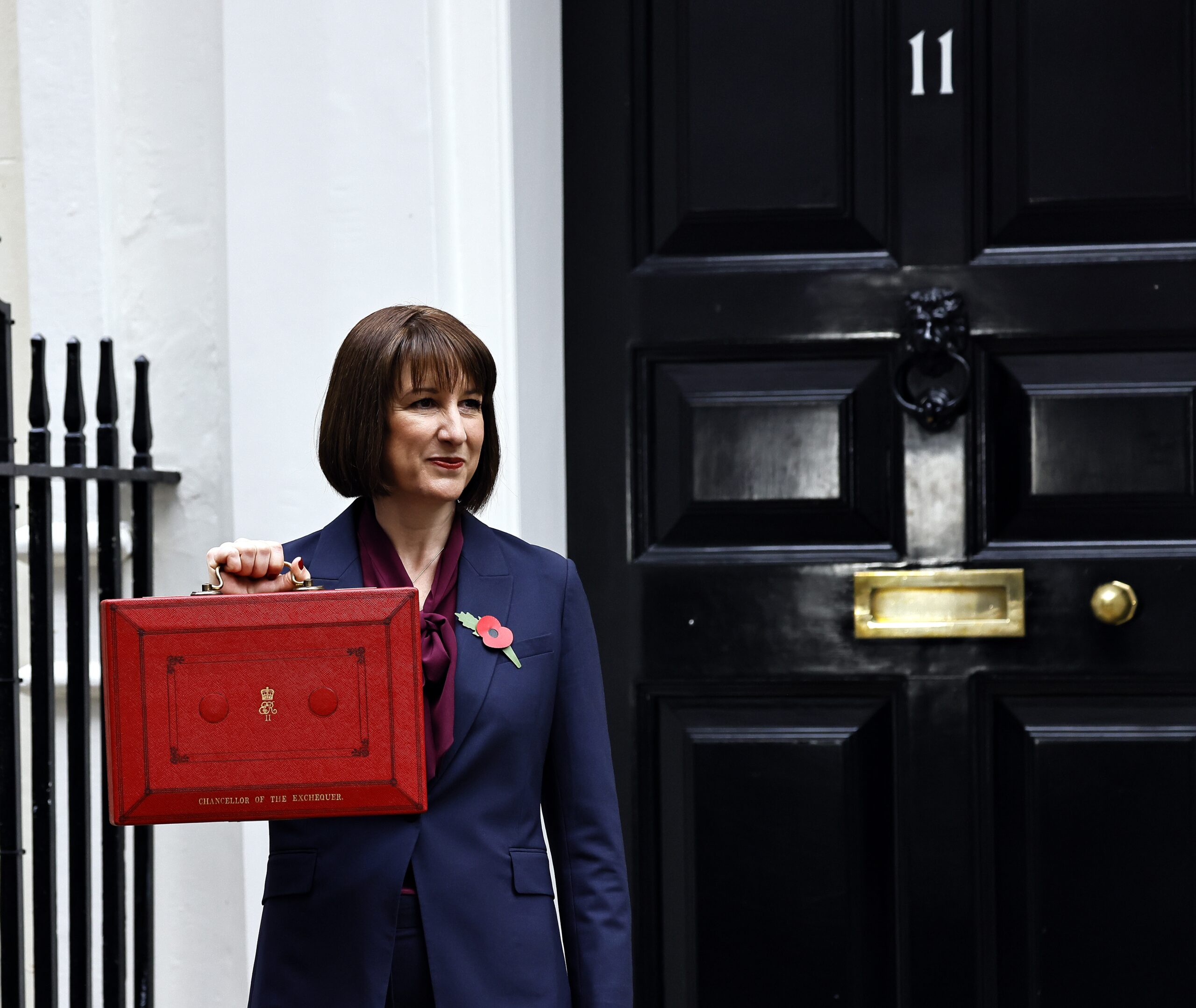
Residents’ discounts will tighten, supporting sustainable travel. UK chancellor Rachel Reeves announced a mileage-based Electric Vehicle Excise Duty (eVED) from April 2028, frozen rail fares, a £2 bus fare cap, and extended Electric Car Grant funding. The autumn budget allocates £200m for EV infrastructure and local roads. VAT rules for private hire operators were clarified nationwide, while local councils stressed the need for long-term funding for transport services and road maintenance. Meanwhile, the European Commission amended the Eurovignette Directive, allowing road tolls for HGVs to reflect CO2 emissions, promoting cleaner fleets under the ‘polluter pays’ principle.
This article was originally published in the December 2025 issue of CiTTi Magazine.